A New Era for the Space Industry: SpaceX’s Historic Mission
SpaceX prepares for a landmark recovery mission while Rocket Lab celebrates a century of launches.
The space technology sector is experiencing a period of unprecedented activity. This week, the spotlight is on SpaceX as it prepares for the 15th test flight of its Starship vehicle. This mission is particularly significant, as the company plans to recover both components of the orbital rocket—the Super Heavy booster and the Starship spacecraft—for the first time in history. The launch is scheduled for Friday, with the recovery of the vehicle planned for Saturday. If successful, this experiment will provide a practical demonstration of a fully reusable system in the history of spaceflight.
Rocket Lab’s Milestone Achievement
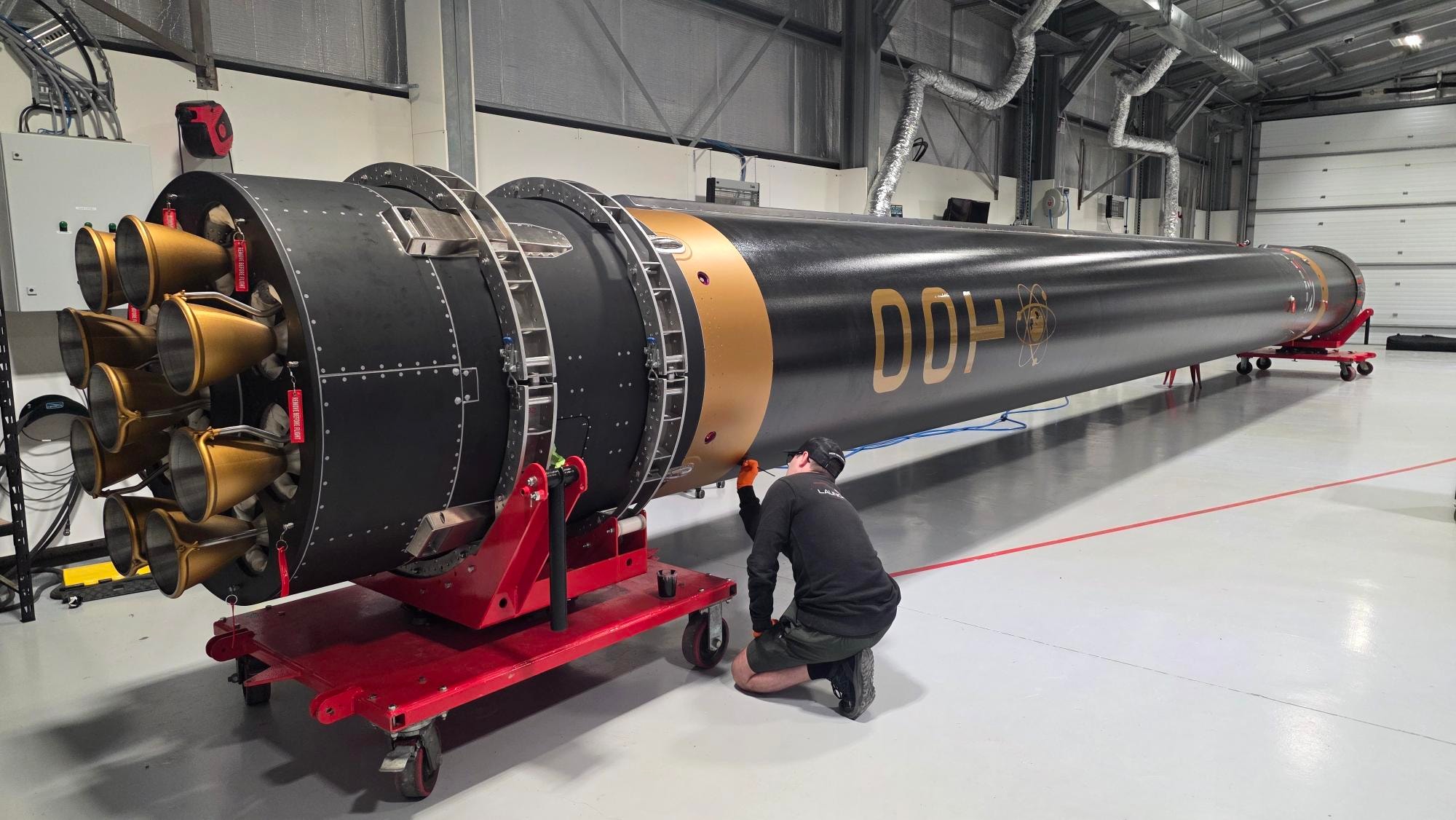
Simultaneously, Rocket Lab is reaching a significant threshold in the small-lift launch market. The upcoming mission from New Zealand, titled "The Mountain God Rises," will mark the company's 100th launch. Since 2017, the Electron rocket has proven that commercial space launches can be both stable and efficient. For this anniversary flight, the rocket features a special gold-and-black livery, highlighting Rocket Lab's success as the world's second-largest commercial launch operator.
Investments and Market Shifts
The United States Department of Defense has begun actively supporting the space industry to reduce reliance on older systems following the eventual conclusion of the Falcon program. The Pentagon’s Office of Strategic Capital has awarded $150 million loans to both Stoke Space and Rocket Lab. This funding is directed toward building new launch platforms in Florida and increasing the flight frequency of the Neutron rocket.
Due to high market demand, Rocket Lab has increased the launch price for its Neutron rocket from $55 million to $70 million. Despite the price hike, the company reports that customer interest remains high, with launch slots already booked into the 2030s.
New Players and Challenges
New concepts are also emerging within the sector. AST SpaceMobile founder Abel Avellan has introduced the Blacklift concept—a rocket he describes as "simple" and specifically adapted for deploying Bluebird satellites into orbit. However, experts remain skeptical of these projections, as "simplifying" space hardware is often associated with complex engineering challenges.
Also of interest is the future of the European Vega C. Expansion plans by Avio have been called into question, as the European space market prioritizes increasing production capacity for Ariane 6. In the near future, companies will have to decide whether investing resources into modernising the Vega is the most effective path, especially as more powerful alternatives emerge on the market.