5G Networks as a Defense Shield: A New Way to Detect Drones
NATO and major tech firms successfully test 5G infrastructure for aerial surveillance
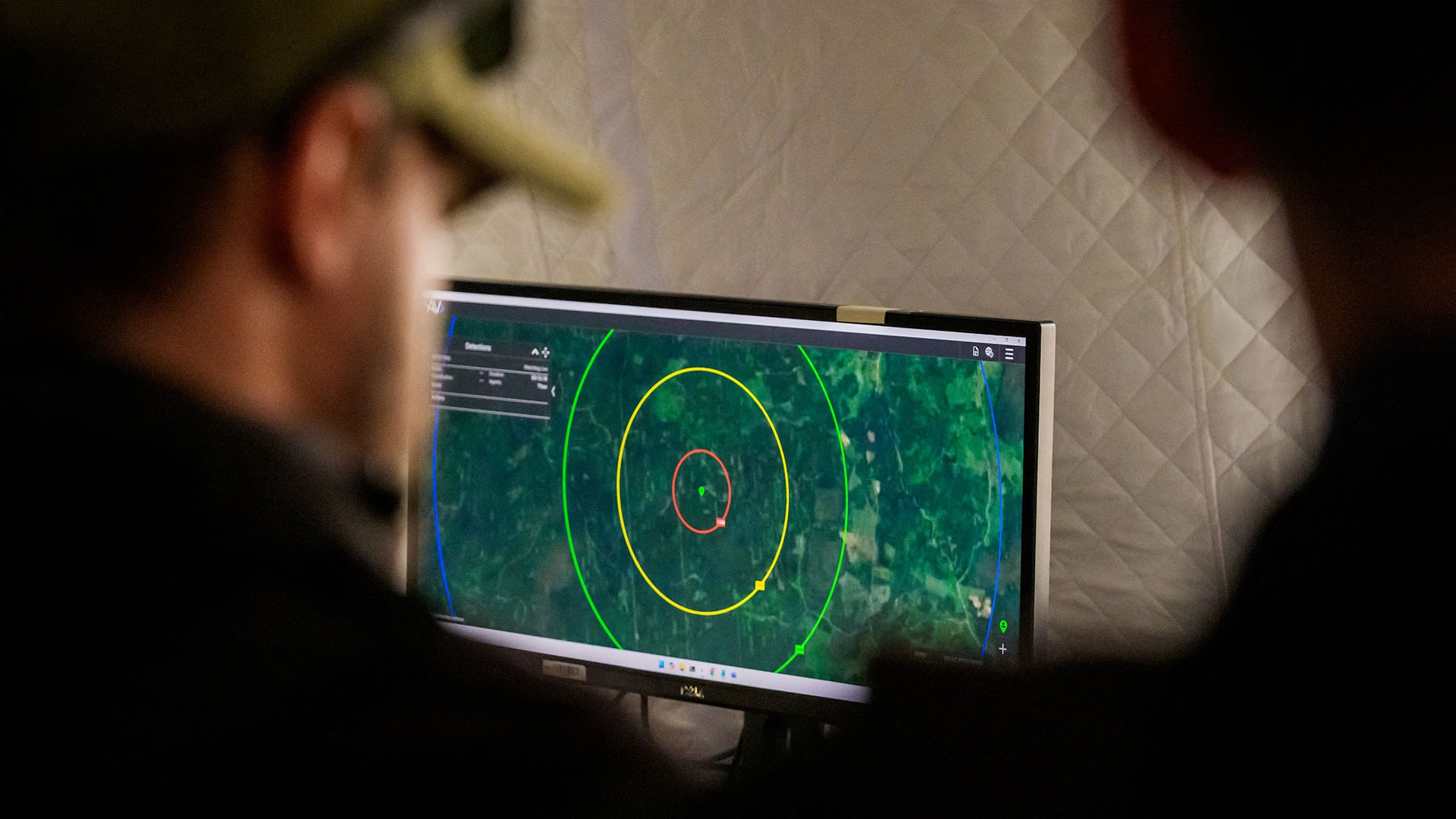
The role of drones in modern military conflicts is growing, pushing the defense sector to seek new, effective solutions. Recent research indicates that commercial 5G networks, which provide our daily internet access, could become an optimal tool for detecting unmanned aerial vehicles. Several successful experiments have already been conducted in this direction across Europe and the United States.
NATO Experiment in Latvia
At the end of October, large-scale military exercises known as DiBaX 2026 concluded in Latvia. The NATO-led experiment demonstrated that 5G towers could be used for passive monitoring of airspace. The project's primary goal was to determine whether existing communication infrastructure could detect drones and track their trajectories.
One of the most compelling aspects of this project is the integration of artificial intelligence (AI) agents. According to Admiral Pierre Vandier, NATO’s Supreme Allied Commander Transformation, AI successfully linked systems that were not originally designed to communicate with one another. With the help of AI, national defense systems from various countries and Maven-type technologies became interoperable within a few hours.
The Potential of Commercial Networks
In the United States, specifically in Texas, AT&T and Ericsson tested similar technology in the vicinity of a stadium. Using 5G networks, they were able to detect drones and determine their precise coordinates. This technology, which is considered a key feature of 6G, involves merging communication and sensor systems.
Implementing such systems offers a significant advantage, as it does not require the construction of new, expensive infrastructure. By utilizing existing towers, states can strengthen defenses around critical facilities—such as stadiums, public spaces, and other complex environments—with minimal expenditure.
Challenges and the Future
Although the technology is promising, certain risks remain. Using 5G towers for military purposes could potentially make them targets for attack. However, NATO representatives note that a combination of diverse networks and satellite connectivity makes the system sufficiently resilient.
For countries like Georgia, where the expansion of 5G networks is in an active phase, such technological experience could prove significant in the future. This method of drone defense shows great potential not only for military purposes but also for public safety. The success of these experiments suggests that in the coming years, our telecommunications towers may serve not only to provide internet but also to safeguard national security.