59 Years Ago: How the Historic Saturn V Mission Began
A Giant Leap in Space Exploration
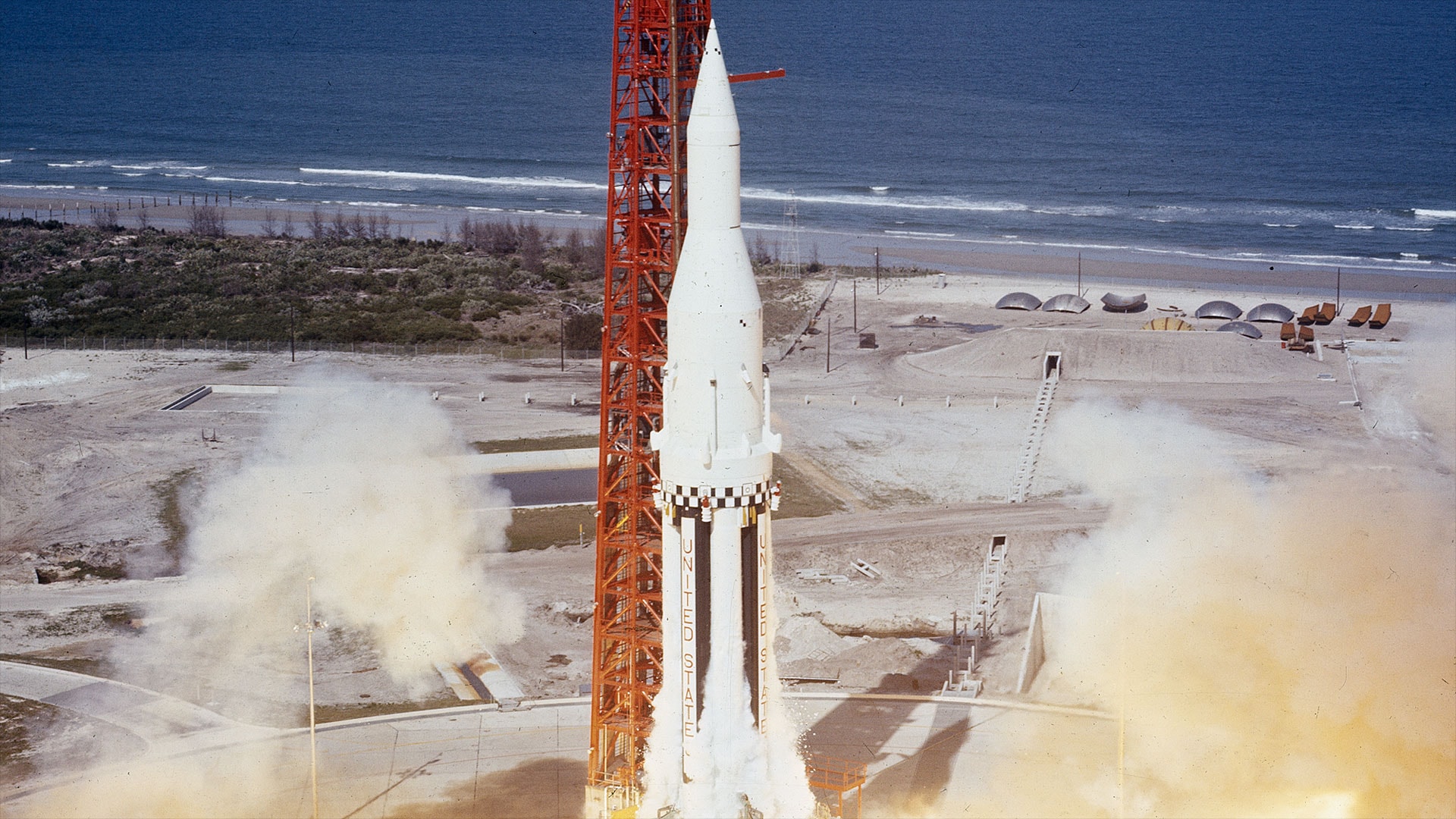
November 9, 1967, marked a turning point for the space industry. On this day, the Saturn V—the most powerful and massive rocket ever built by humanity at the time—blasted off from the Kennedy Space Center in Florida. Standing 110 metres tall, the structure was even larger than the Statue of Liberty and became the primary instrument for the lunar programme.
Despite its grandeur, the Apollo 4 mission was uncrewed. It served as a test launch designed to verify the rocket's capabilities. The launch was so powerful that the resulting shockwave shook nearby buildings and kicked up massive clouds of dust and debris at the space centre.
From Tragedy to Triumph
This launch was vital for NASA. Earlier that year, in January, the agency suffered a horrific tragedy when a fire during a ground test of Apollo 1 claimed the lives of three astronauts. The success of Apollo 4 was the first step in restoring the public's and the agency's own faith that the lunar mission was achievable.
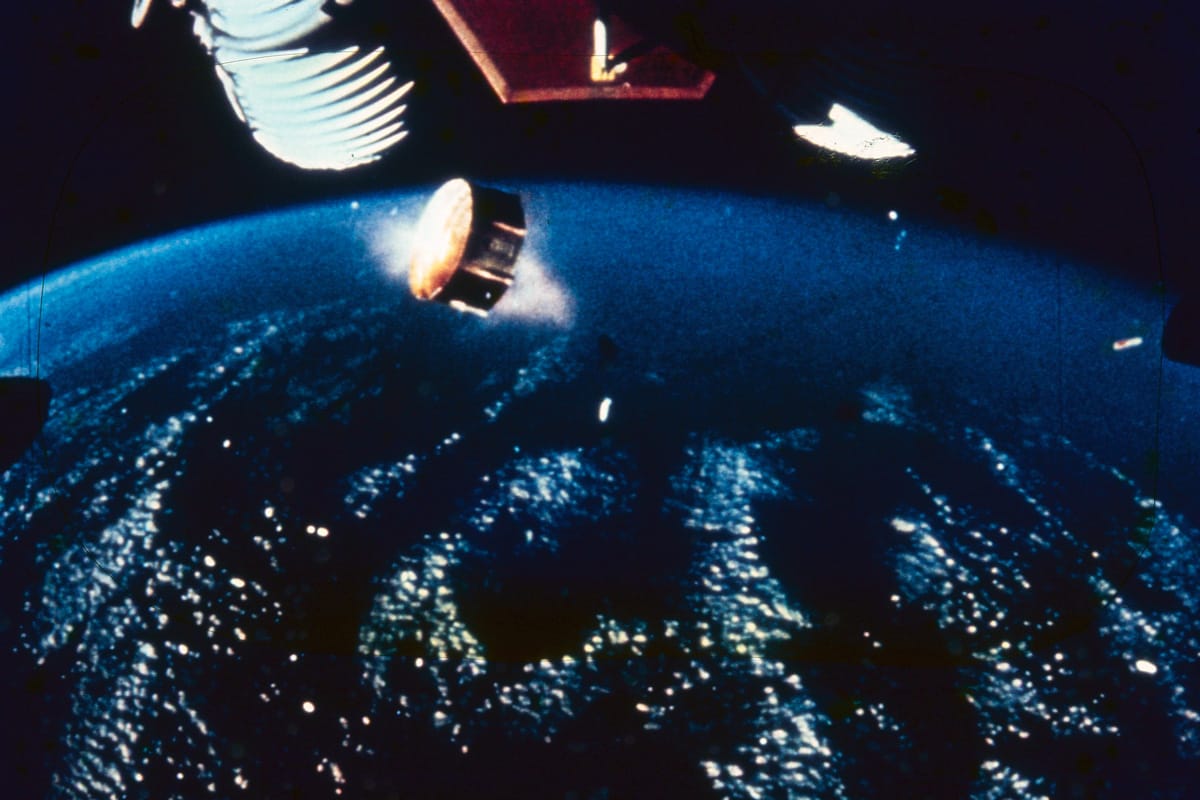
The mission lasted 8 hours and 36 minutes. All three stages of the rocket performed perfectly, after which the uncrewed command module landed safely in the Pacific Ocean. Wernher von Braun, who led the Marshall Space Flight Center, described the launch as "expert" and noted that every phase had proceeded exactly according to plan.
A Legacy That Conquered the Moon
The Apollo 4 test paved the way for subsequent missions. Just one year later, the Saturn V carried astronauts into space as part of Apollo 8, and in 1969, the same rocket delivered the Apollo 11 crew to the lunar surface.
Although SpaceX's Starship has since surpassed the power metrics of the Saturn V, this 1967 mission remains one of the greatest achievements in engineering history. It serves as a reminder of how human will can overcome complex technological challenges and turn the impossible into reality. Today, as the space race enters a new phase and private companies aim for Mars, the legacy of the Saturn V remains a symbol of reliability and innovation.