55 Years Ago: How Mariner 9 Transformed Our View of Mars
A Space Breakthrough in 1971
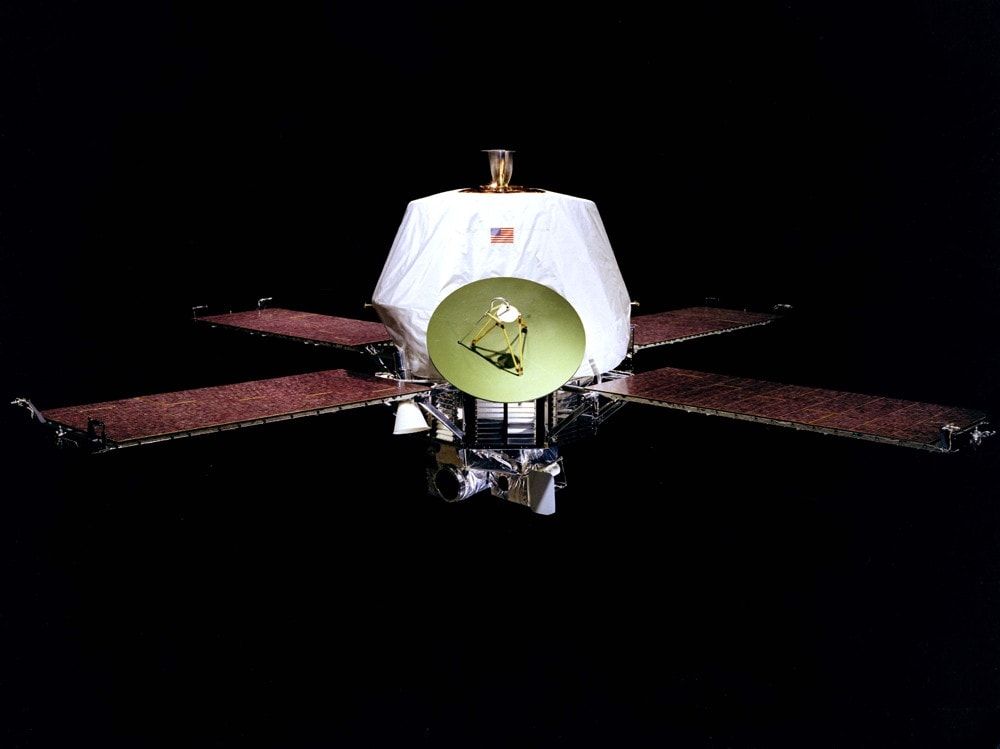
November 13, 1971, serves as a turning point in the history of space exploration. On this day, NASA’s Mariner 9 successfully entered Martian orbit, becoming the first artificial object to orbit another planet. At the time, our knowledge of Mars was extremely limited. Previous flyby missions had provided only superficial glimpses, leading some scientists to assume Mars was a lifeless, crater-covered body similar to our Moon.
The reality proved far more impressive. Mariner 9 arrived at Mars during a global dust storm; however, despite poor visibility, the craft managed to detect massive structures rising above the clouds. These were later revealed to be the peaks of the largest volcanoes in the solar system.
Discoveries That Changed Science
Once the dust settled, Mariner 9 transmitted detailed images of the Martian terrain. Thanks to this mission, we discovered Olympus Mons, the tallest volcano in the solar system. The cameras also captured the giant canyon system Valles Marineris, which is five times larger than the Grand Canyon on Earth. The canyon was named in honor of the spacecraft.
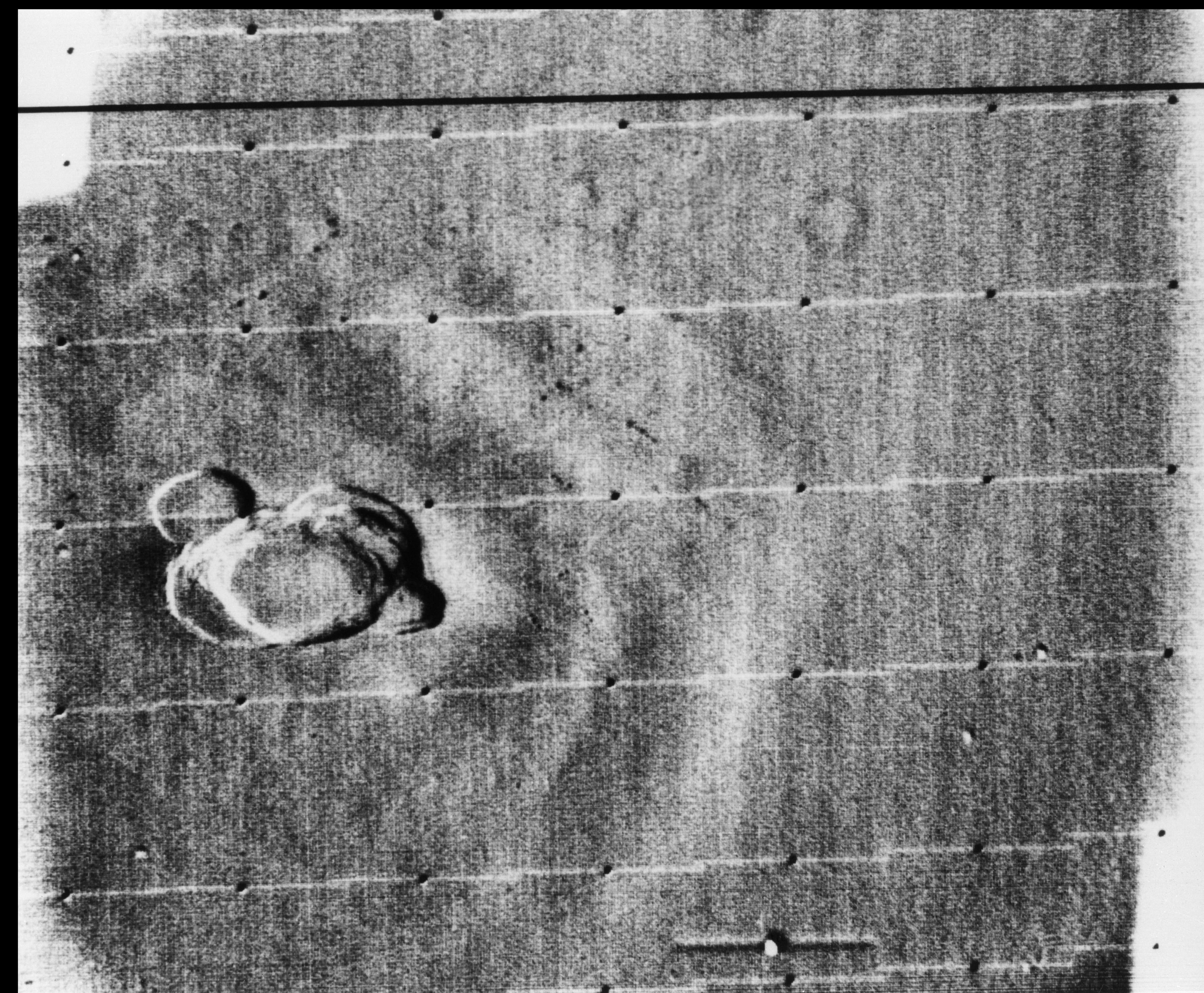
Mariner 9 was equipped with four primary instruments, including an imaging system, ultraviolet and infrared spectrometers. During its nearly year-long mission, the craft mapped 85% of the planet’s surface and captured 7,329 photographs. Additionally, it conducted a detailed study of Mars' two moons, Phobos and Deimos.
Why It Matters Today
The Mariner 9 mission was a race against the Soviet Union’s Mars 2, which held an 11-day lead, yet the NASA craft was the first to establish a stable orbit. In October 1972, when the craft exhausted its nitrogen fuel supply, its operations ceased, but it had already successfully portrayed Mars as a complex and diverse world.
Today, as humanity plans to send people to Mars, the data provided by Mariner 9 remains a fundamental cornerstone. This mission proved that Mars is not just a 'Red Planet,' but a geologically active and fascinating world waiting for detailed study. The history of Mariner 9 remains an example of how technological progress can radically change our limited vision of the universe.