5 Astronomical Events to Observe During the Halloween Season
The Sky as a Mythological Canvas
For millennia, the night sky has served not only as a guide for travelers but as a primary source of human myths, fears, and imagination. As Halloween approaches, this period becomes particularly intriguing for astronomy enthusiasts, as the sky features many objects to which ancient cultures attributed mystical significance.
The Pleiades and Samhain
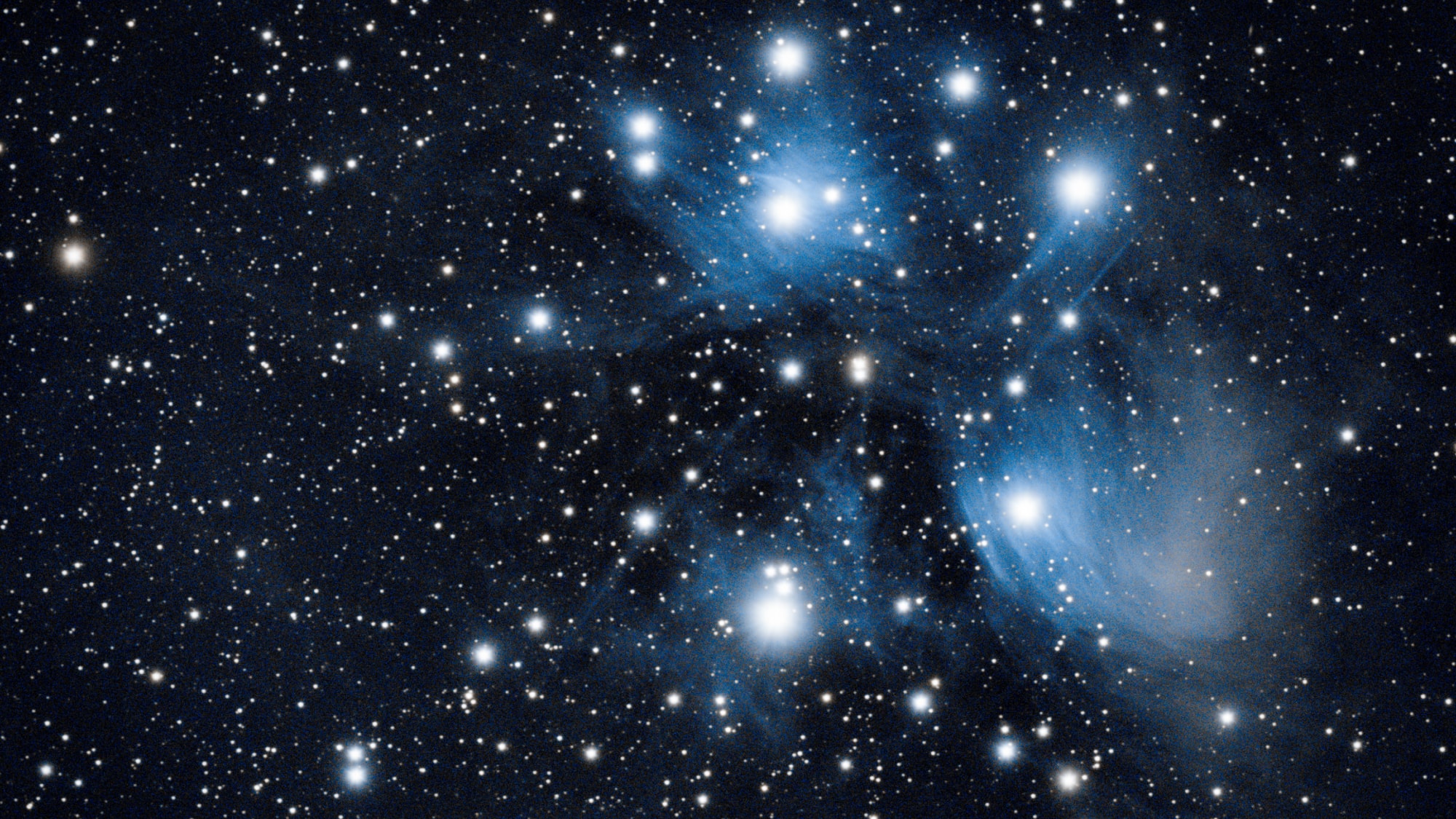
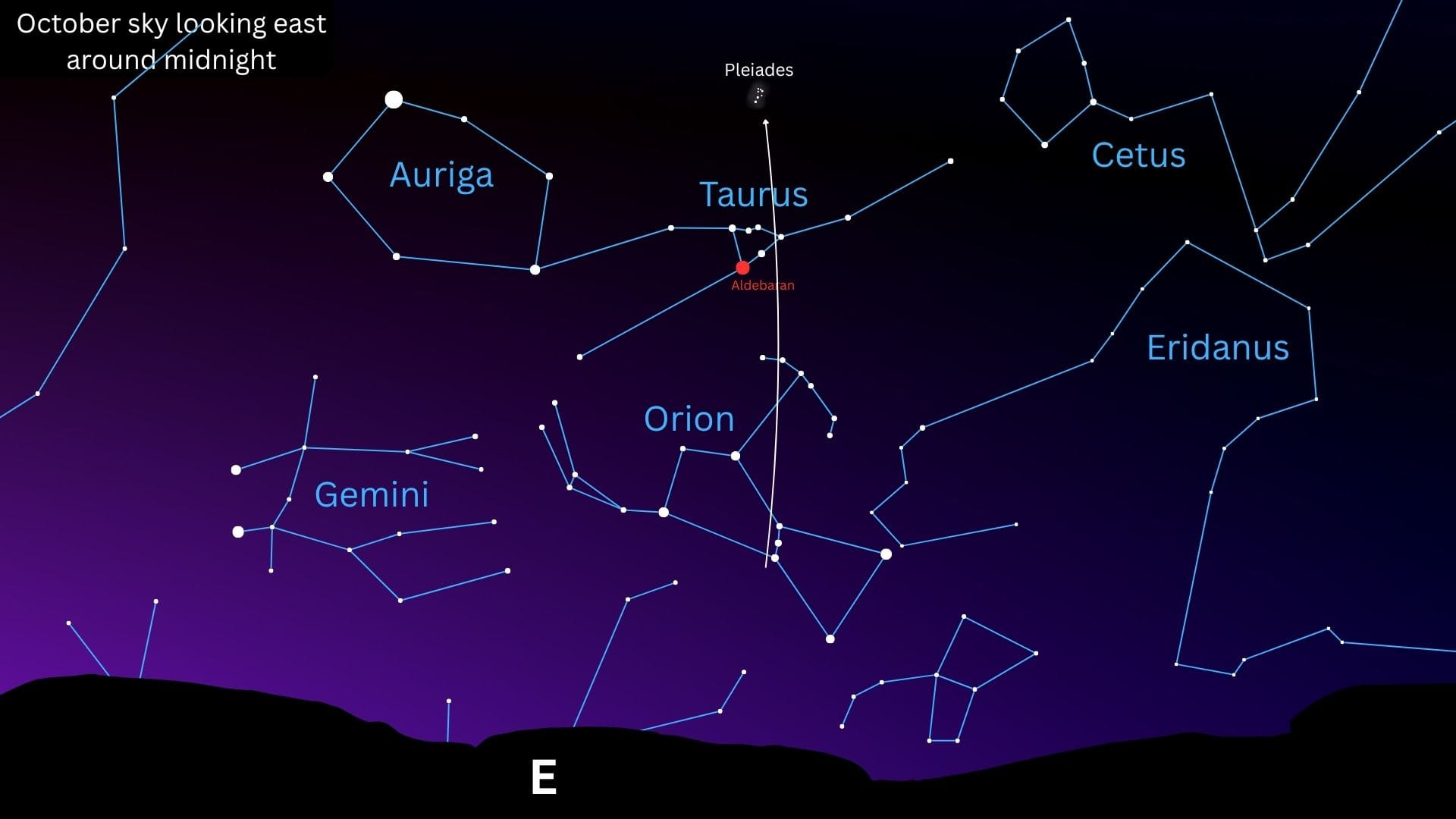
The Pleiades star cluster, which appears as a beautiful glow, is deeply connected to ancient Celtic traditions. The ancient Druids celebrated Samhain, the precursor to Halloween, precisely when the Pleiades reached their highest point in the sky at midnight. It was believed that at this time, the veil between the worlds of the living and the dead was at its thinnest. The Pleiades are easy to locate: by following the stars of Orion's Belt toward the constellation Taurus, you will find the orange star Aldebaran, near which this cluster shines.
The 'Demon Star' Algol
Located in the constellation Perseus, Algol—often called the "Demon Star"—represents the eye of Medusa the Gorgon in mythology. This binary star system "blinks" every 2.867 days when one star eclipses the other, causing its brightness to drop by approximately 3.3 times. Although an eclipse is not expected on Halloween night, it can be observed between October 29 and November 1.
Cetus and Lunar Webs
One of the greatest "monsters" of the night sky is the constellation Cetus, representing a sea monster. In Greek mythology, this creature was sent by Poseidon but was ultimately defeated by Perseus. At the end of October, after sunset, it can be found in the southeastern sky. Additionally, during the full moon, you may notice bright, spiderweb-like streaks around craters such as Tycho, Copernicus, and Kepler. These are not webs, of course, but trails of dust and rock ejected during the formation of the craters.
'Halloween Fireballs'
Finally, if you are lucky, you may spot the bright particles of the Taurid meteor shower. They are often called "Halloween fireballs" because their activity peaks at the end of October. These meteors are the result of debris left behind by Comet 2P/Encke. While they are relatively rare, witnessing one creates a truly unforgettable spectacle. The best time for observation is after sunset, once the constellation Taurus rises above the horizon.