30 Years of Martian Exploration: The Legacy of Mars Global Surveyor
How a 1996 mission broke a two-decade silence and changed our view of Mars.
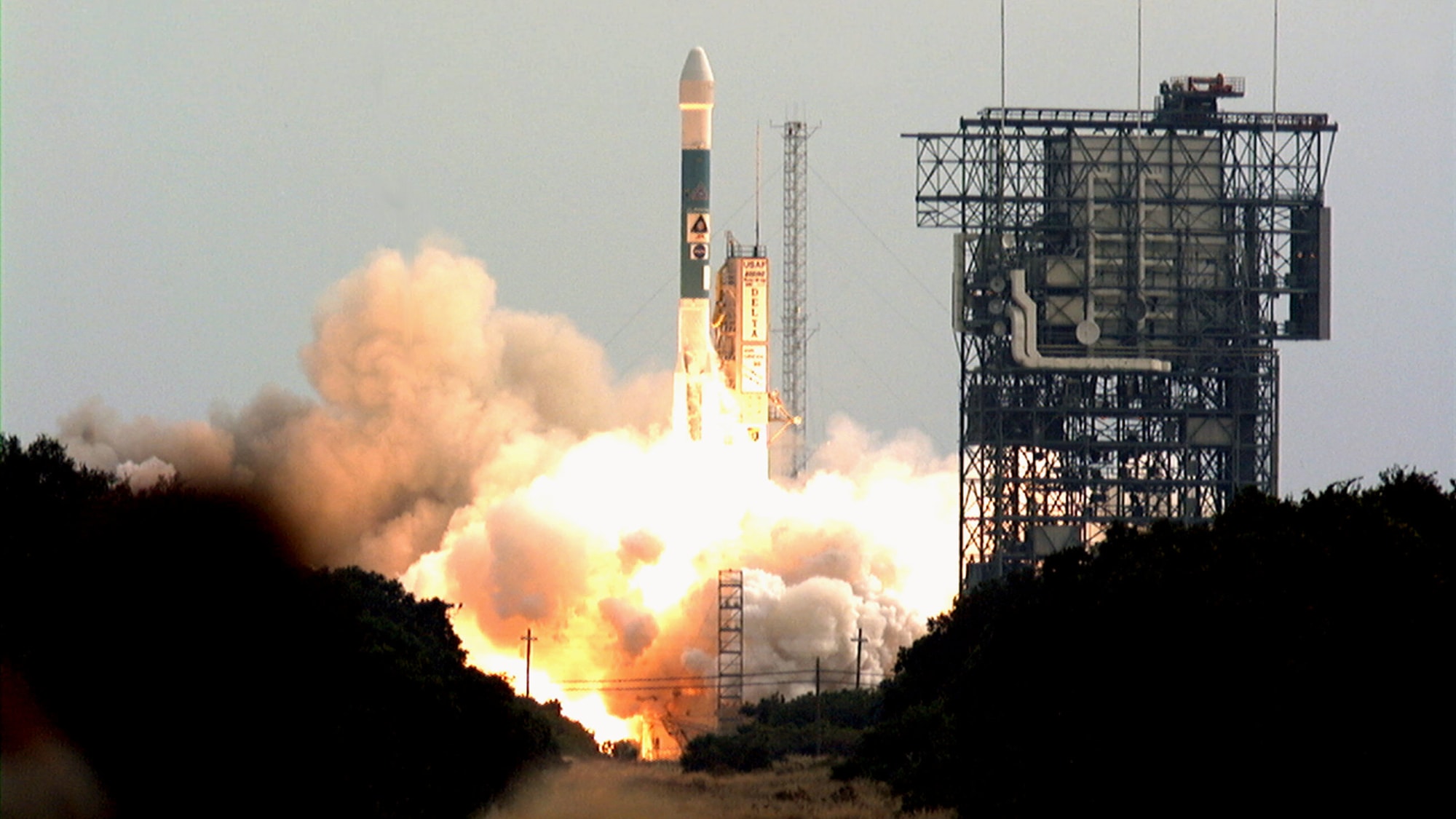
A New Beginning for Space Exploration
7 November 1996 marks a pivotal date in space exploration history. On this day, NASA launched the Mars Global Surveyor aboard a Delta II rocket. The mission was significant for breaking a twenty-year hiatus; it was the first successful NASA mission to Mars following the Viking probes of 1975. This launch initiated a new, intensive era of study for the Red Planet.
Scientific Breakthroughs and Traces of Water
Mars Global Surveyor was far more than a standard orbiter. During its nine years of active service, the craft transmitted over 240,000 high-resolution images back to Earth. Its research revealed to scientists that Mars is not a dead, lifeless planet. The probe identified channels on the surface likely carved by flowing water, providing crucial evidence that water existed on Mars in the past, and perhaps even in some form today.
Furthermore, the craft detected signs of climate change at the Martian south pole and identified deposits of hematite—a mineral that often forms in the presence of water. This discovery dictated the path for future missions, leading NASA to land the Spirit and Opportunity rovers in the exact regions where the Global Surveyor had identified the mineral.
A Bridge for Rovers
One of the primary functions of the Mars Global Surveyor was communication. It acted as a vital relay between Earth and the rovers traversing the Martian surface. Data collected by Sojourner, Spirit, and Opportunity were transmitted to NASA via the orbiter. In this capacity, the Mars Global Surveyor became the central link in the complex exploration of the planet's surface.
The End of the Mission and Its Legacy
Although the craft significantly exceeded its design lifespan, the mission ended due to an accident in November 2006. During a maneuver, one of the craft's batteries was exposed to direct sunlight, causing the system to overheat and lose power. In November 2006, the Mars Global Surveyor went silent forever.
Even though the probe is no longer operational, its contribution remains invaluable. It laid the foundation for modern rover missions and demonstrated that unlocking the secrets of the Red Planet is only possible through a combination of orbital and surface exploration. Today, as humanity dreams of sending humans to Mars, the knowledge accumulated by the Mars Global Surveyor remains the foundation upon which future space missions are built.